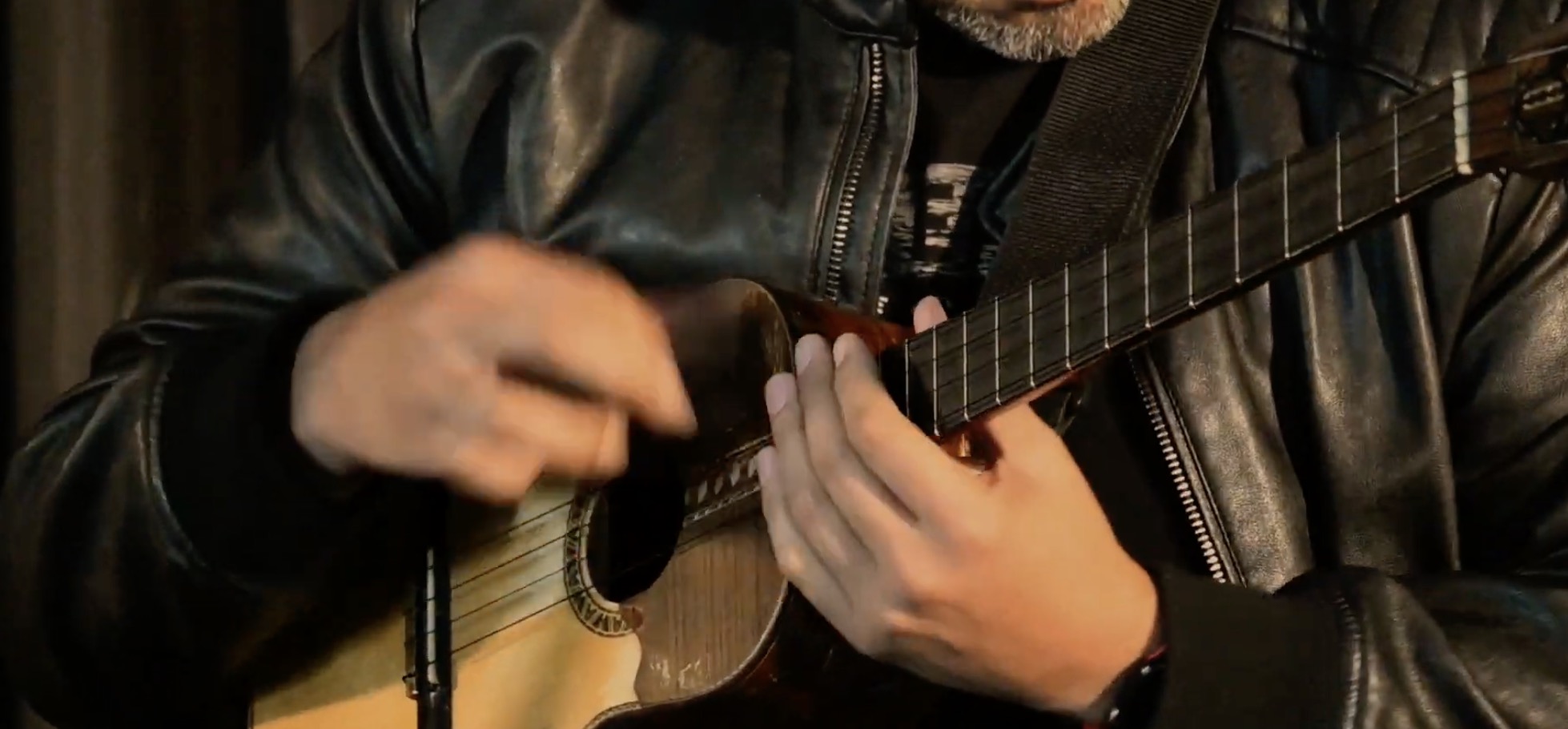
Learning difficult songs on the Venezuelan Cuatro can feel overwhelming when you are just starting. Fast rhythm changes, difficult chord transitions, and complex strumming patterns often make beginners think they are progressing too slowly.
The truth is that even experienced Cuatro players rarely learn difficult songs at full speed immediately. Most advanced musicians simplify the process: they slow songs down, isolate difficult sections, repeat patterns patiently, and build confidence little by little.
If you are struggling to play challenging songs on the Cuatro, this guide will help you develop a smarter practice routine so you can improve faster while enjoying the learning process.
Why Difficult Songs Feel Hard on the Cuatro
The Venezuelan Cuatro is a rhythmic instrument. Unlike many instruments where beginners can focus mainly on melody, Cuatro players must coordinate rhythm, chord changes, timing, and strumming dynamics all at once.
Beginners usually struggle with:
- changing chords quickly,
- maintaining rhythm consistency,
- playing while singing,
- keeping tempo steady,
- and transitioning between strumming patterns.
This is completely normal.
Many students believe they lack talent when in reality they are simply trying to play songs faster than their hands and ears are ready for. The solution is not practicing harder — it is practicing more intelligently.
Slow Down the Song First
One of the biggest mistakes beginners make is trying to play songs at full speed too early.
Professional musicians almost always slow difficult passages down before mastering them.
When practicing a difficult Cuatro song:
- Reduce the tempo dramatically.
- Focus on clean chord changes.
- Keep the rhythm steady.
- Ignore speed at first.
A slower practice session with good timing is far more valuable than a fast, messy performance.
Using a metronome can help you build rhythm consistency gradually. Start at a comfortable speed and only increase the tempo once you can play the section smoothly several times in a row. The goal is not speed. The goal is control. Once control improves, speed follows naturally.
Practice Difficult Chord Changes Separately
Most difficult songs become difficult because of transitions between chords, not because of the chords themselves.
For example:
- moving from Dm to G7,
- switching between barred chords,
- or changing while maintaining a strumming pattern.
Instead of always practicing the full song, isolate the hardest transitions and repeat them independently.
A useful exercise is:
- play the first chord,
- pause,
- move slowly to the next chord,
- check finger placement,
- repeat the movement dozens of times.
This trains muscle memory.
After enough repetition, your hands begin changing chords automatically without needing conscious thought. This is how experienced Cuatro players achieve fluid rhythm.
Divide Songs Into Small Sections
Trying to learn an entire difficult song in one session usually leads to frustration.
Instead:
- learn one phrase,
- then one verse,
- then one chorus,
- then connect the pieces together.
Small victories build confidence.
A good strategy is practicing:
- 10–20 second sections,
- repeatedly,
- until they feel comfortable.
Once one section feels natural, move to the next. Over time, the song stops feeling difficult because your brain no longer sees it as one giant challenge.
Learn the Rhythm Before the Full Arrangement
Many beginners focus too much on the chord names and not enough on rhythm.
On the Cuatro, rhythm is everything.
Even a simple chord progression can sound beautiful with good rhythmic control.
Before trying advanced arrangements:
- tap the rhythm first,
- mute the strings and practice strumming,
- count beats aloud,
- internalize the groove.
Traditional Venezuelan rhythms like:
- Joropo,
- Vals,
- Merengue Venezolano,
- and Golpe,
all require rhythmic confidence more than technical complexity.
When the rhythm becomes natural, difficult songs suddenly become much easier to play.
Watch and Study Great Cuatro Players
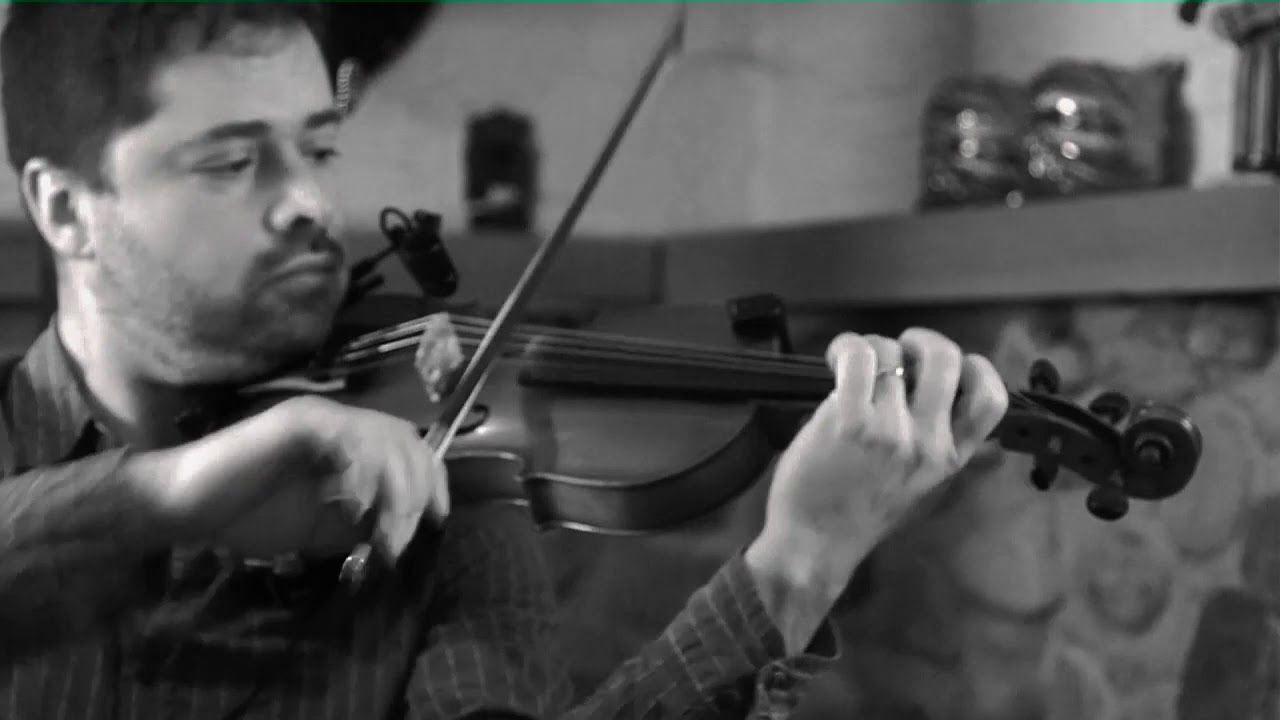
One of the fastest ways to improve is by observing experienced musicians carefully.
Pay attention to:
- hand movement,
- rhythm consistency,
- finger economy,
- posture,
- and strumming dynamics.
Great Cuatro players make difficult techniques look effortless because they eliminate unnecessary motion.
Artists like Jorge Glem and Rafael “Pollo” Brito are excellent examples of modern Cuatro mastery while still maintaining strong traditional foundations.
Instead of only listening casually, study how they approach rhythm and transitions.
You will begin discovering solutions that are difficult to explain through written lessons alone.
Simplify Difficult Songs at First
You do not need to play the most advanced version of a song immediately.
Many professional musicians simplify arrangements while learning.
You can simplify songs by:
- reducing the number of strums,
- removing embellishments,
- using easier chord voicings,
- slowing the tempo,
- or simplifying rhythmic accents.
This approach allows you to enjoy playing real music earlier while still developing technique progressively.
As your coordination improves, you can gradually add complexity back into the arrangement.
Be Patient With Your Progress
Learning the Cuatro is not a race.
Many beginners compare themselves to advanced players online and become discouraged. What they often do not see is the years of repetition and practice behind those performances.
Progress on the Cuatro usually happens gradually:
- first your rhythm improves,
- then chord transitions,
- then confidence,
- then musical expression.
Consistency matters much more than intensity.
Practicing 20 focused minutes daily is often better than practicing several exhausting hours once per week.
The players who improve the fastest are usually the ones who remain patient enough to continue practicing through the uncomfortable stages.
Use Practice Tools to Improve Faster
Modern learning tools can make difficult songs much easier to practice.
Helpful tools include:
- metronomes,
- chord diagrams,
- synchronized chord playback,
- slowed-down videos,
- and transposition tools.
These tools help beginners focus on timing, rhythm, and repetition without becoming overwhelmed.
At TuCuatro, many songs include synchronized chords and interactive learning resources that allow students to practice progressively at their own pace.
Using structured practice tools consistently can dramatically reduce frustration while improving rhythm accuracy and confidence.
Final Thoughts
Every advanced Cuatro player was once a beginner struggling with difficult songs.
The difference between musicians who improve and those who quit is rarely talent. It is patience, repetition, and learning how to practice effectively. If a song feels impossible today, that does not mean it will remain impossible next month.
Slow the music down. Break it into sections. Practice rhythm carefully. Repeat difficult transitions patiently. And most importantly, enjoy the process of becoming a better musician little by little.
Over time, songs that once felt unreachable will become part of your normal playing vocabulary — and eventually, newer players will look at your performances for inspiration the same way you once studied others.