The Venezuelan Cuatro is one of Venezuela’s most iconic musical instruments and an essential part of the country’s cultural identity. For generations, it has accompanied everything from traditional folk music to contemporary popular songs, making it one of the most versatile instruments in Latin America.
Its presence is so widespread that there is virtually no Venezuelan musical genre that hasn’t embraced the Venezuelan Cuatro. Today, many modern artists continue to include it in their recordings as a way to celebrate and preserve their cultural roots.
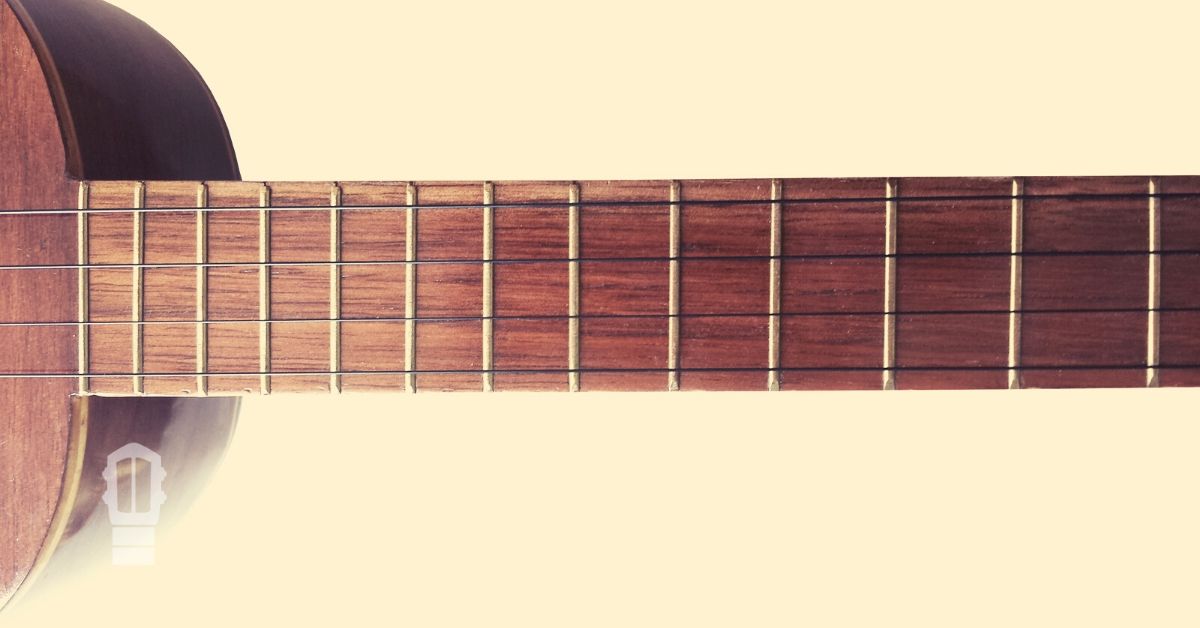
The Venezuelan Cuatro features four single nylon strings traditionally tuned A–D–F#–B. What makes this tuning unique is that the last string (B) is tuned one octave lower than expected, creating the distinctive rhythmic and harmonic character that defines the instrument. As far as we know, this re-entrant tuning system is unique among string instruments.
At first glance, the Venezuelan Cuatro may resemble a ukulele, which is why some people refer to it as the “Venezuelan Ukulele.” However, despite their visual similarities, they are different instruments with their own history, tuning, playing techniques, and musical traditions.
Simple, expressive, and deeply connected to Venezuelan culture, the Venezuelan Cuatro continues to inspire musicians around the world and remains the heartbeat of countless musical traditions.