
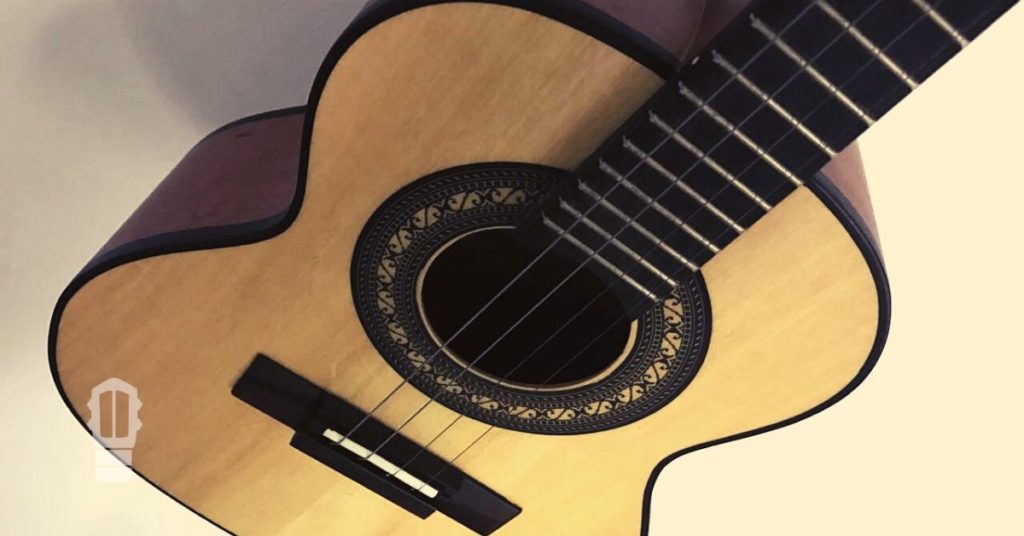
The cavaquinho is a small four-string plucked instrument with a bright, rhythmic voice. It has roots in Portuguese musical culture and became especially important in Brazil, where it is closely associated with samba, choro, pagode, and other popular styles.
In Brazilian music, the cavaquinho often acts as a rhythmic and harmonic engine. It can mark the groove with quick strumming patterns, support singers and percussion, or move into melodic lines in choro and instrumental settings.
Why the cavaquinho matters to TuCuatro
TuCuatro includes the cavaquinho because it helps students hear how different four-string instruments carry rhythm in different cultural settings. A Venezuelan cuatro, a cavaquinho, and a ukulele may look related to a beginner, but each one has its own tuning traditions, repertoire, right-hand vocabulary, and musical function.
- Main regions: Portugal, Brazil, Cape Verde, and Portuguese-speaking musical communities.
- Common Brazilian contexts: samba, choro, pagode, and popular song accompaniment.
- TuCuatro connection: rhythm, chord study, and comparison with cuatro and ukulele technique.
Students can continue with TuCuatro’s Cavaquinho courses and learning path or visit the TuCuatro cavaquinho guide. For external reference, see the Wikipedia entry on the cavaquinho.