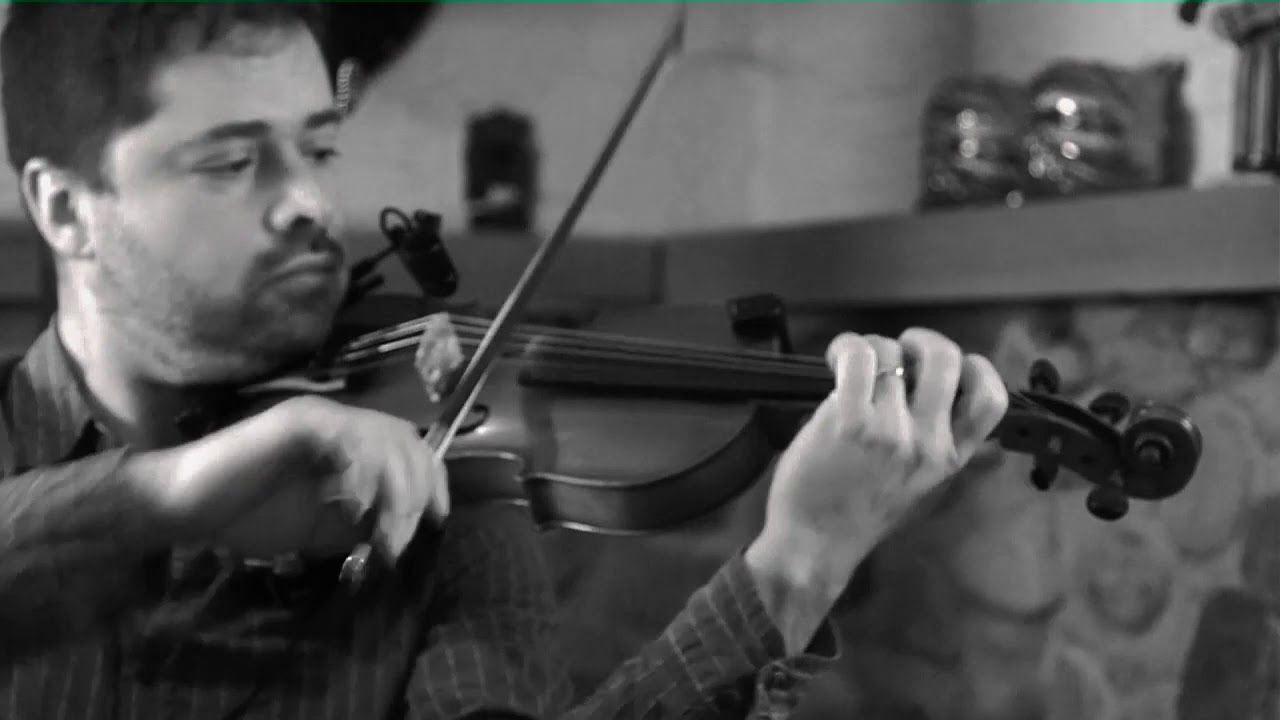

If you are new to the Venezuelan cuatro, start at the beginning. The cuatro is a four-string instrument from Venezuela, usually tuned A, D, F#, B. Songs will wait. First your hands have to know how to hold the instrument, how to tune it, and how to mark a clean stroke.
This page is the map. The free English courses on TuCuatro are the path. Stay in order. Slow and clean beats fast and messy.
What you do in the first week
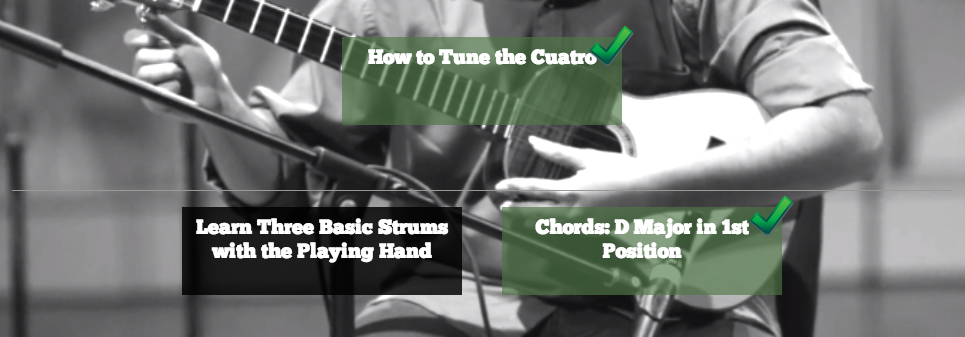
You need a Venezuelan cuatro, a quiet table, and both hands free. Tune before you chase a song. Use the online cuatro tuner if you do not have a clip tuner yet.
Day by day it looks like this:
- Learn the parts of the instrument and how to sit with it.
- Tune to A, D, F#, B until it is a habit, not a guess.
- Mark your first chords so every string sounds. If one buzzes, fix the finger before you add speed.
- Learn one simple rasgueo. Play it until your right hand keeps time without looking.
- Then play a first song. Not before.
The English course path
Start with Cuatro Venezolano for Beginners. That course is the beginner path: parts of the cuatro, tuning, how to mark chords, your first chords, a little theory that helps your hands, and three pieces you can actually play. Short lessons. Follow the topics in order. The course stays open.
When your left hand can change chords without stopping the pulse, go to Rhythm and Strumming. That is where the right hand learns the first rasgueos: rock and pop feels, a waltz, and folk rhythms such as joropo and bolero. Do not jump there on day one.
When a lesson asks you for a scale on the fretboard, open the cuatro scale tool. Use it as a map, not as a substitute for the course.
If you already speak Spanish
The fuller beginner path in Spanish is on Aprende: the basic courses for playing cuatro as a beginner. Those lessons assume more of the folk repertoire in your ear. Pick one language and stay there so the emails and the next lesson match.
How to practice so it sticks
Give the techniques time. Ten clean minutes beat an hour of rushing. If a string buzzes, stop and correct the hand. Sharp pain is a stop sign. Sore fingertips that fade are normal at the start.
Follow the difficulty order on the English course list. Skipping ahead feels faster. It usually means you relearn the same change later, uglier.
If you come from ukulele, some left-hand shapes will look familiar. The names sit in a different key on cuatro. Stay with the cuatro lessons. Do not force a ukulele chart onto this instrument.
If you already play
If the beginner course is too easy, you are not stuck there. The same course list has intermediate and advanced work: more rhythms, more technique, a wider repertoire. Start where your hands actually fail, not where the title sounds impressive.
When you want a teacher with you
The courses are free. When you want someone listening to your hands in real time, book a live class with a professor: online lessons with professional musicians. You can also write on WhatsApp: message TuCuatro.