
Discover the sound, history, rhythms, and cultural heartbeat of one of Latin America’s most beloved folk instruments.
There are instruments that accompany music.
And then there are instruments that accompany life.
The Venezuelan Cuatro belongs to the second category.
Small enough to travel anywhere, rhythmic enough to drive an entire ensemble, and warm enough to turn a gathering into a celebration, the Cuatro has been the heartbeat of Venezuelan folk music for generations. You hear it in family parties, Christmas parrandas, street festivals, poetry gatherings, and late-night jam sessions where music feels less like performance and more like conversation.
But something beautiful has happened in recent years.
The Cuatro is no longer only a Venezuelan secret.
Musicians around the world are discovering its rich strumming patterns, playful character, and surprisingly expressive sound. Guitarists are drawn to its rhythmic energy. Ukulele players fall in love with its warmth. Folk musicians appreciate its storytelling spirit. Producers and composers are beginning to use it in recordings far beyond traditional Latin American genres.
If you’ve ever wondered what a Venezuelan Cuatro is, how it sounds, how it compares to instruments like the ukulele or cavaquinho, or how to begin learning it, this guide is for you.
Welcome to the world of the Cuatro.
What Is a Venezuelan Cuatro?
The Venezuelan Cuatro is a four-string folk instrument from Venezuela, although versions of the Cuatro exist across several Latin American countries.
The Venezuelan version is the most widely recognized today and is considered one of the foundational instruments of Venezuelan traditional music.
At first glance, many people compare it to:
- a ukulele
- a small guitar
- a cavaquinho
- or a folk lute
But the Cuatro has its own musical identity.
Unlike the ukulele, which often emphasizes melody and soft accompaniment, the Venezuelan Cuatro is deeply rhythmic. In traditional music, the player is not only harmonizing the song, they are also acting like a percussionist.
That rhythmic role is part of what makes the instrument so addictive.
The Cuatro is traditionally tuned:
A D F# B
This tuning creates a bright yet earthy sound that works beautifully for:
- folk music
- singer-songwriter accompaniment
- rhythmic strumming
- Latin American genres
- world music fusion
- acoustic recording
- educational music programs
Its compact size also makes it extremely approachable for beginners.
Many musicians describe the Cuatro as an instrument that invites you to play immediately. Even simple chords feel musical and alive.
The Sound of the Cuatro
The sound of the Venezuelan Cuatro sits somewhere between joy and nostalgia.
It can be playful and percussive one moment, then deeply emotional the next.
In Venezuelan folk traditions like Joropo, the Cuatro often drives the rhythm with fast, syncopated strumming patterns that create a sense of movement almost impossible to resist. In slower songs, it becomes intimate and lyrical, supporting the voice like a close companion.
One reason musicians around the world are becoming fascinated with the instrument is its versatility.
The Cuatro works beautifully in:
- folk music
- acoustic pop
- Latin fusion
- worship music
- jazz experiments
- film scoring
- unplugged arrangements
- world music ensembles
It records surprisingly well too.
Its midrange warmth cuts through mixes naturally, especially in home studio environments where large acoustic instruments can become difficult to capture cleanly.
For producers and independent musicians, this makes the Cuatro a hidden gem.
The Cultural Heart of the Cuatro
To understand the Cuatro, you have to understand that it is more than an instrument. It is part of everyday cultural memory.
In Venezuela, many people grow up hearing the Cuatro before they ever learn what the instrument is called. It lives inside Christmas traditions, regional festivals, family gatherings, and folk storytelling.
A child may first hear it during a parranda in December.
A teenager may learn it to accompany friends.
A grandparent may still keep one hanging in the living room after decades.
The Cuatro carries history in a very human way.
Unlike instruments often associated with conservatories or formal performance spaces, the Cuatro traditionally belongs to ordinary people. It is communal, portable, welcoming. That accessibility is one reason it connects so strongly with international audiences today.
People are not only discovering a new instrument. They are discovering a musical culture built around participation.
Venezuelan Cuatro vs Ukulele
One of the most common questions beginners ask is:
Is the Venezuelan Cuatro like a ukulele?
The answer is yes, and no.
They are both small string instruments with approachable learning curves, but they come from different musical traditions and serve different roles.
The Ukulele
- Originated in Hawaii
- Often emphasizes melody and soft accompaniment
- Common tuning: G C E A
- Frequently used in pop, indie, and singer-songwriter music
The Venezuelan Cuatro
- Originated in Venezuelan folk traditions
- Strong emphasis on rhythm and strumming
- Common tuning: A D F# B
- Central to Joropo and Latin American folk music
The Cuatro often feels more rhythmically aggressive and percussive than the ukulele.
Many guitarists who pick up the Cuatro immediately notice that the right hand becomes incredibly important. Strumming patterns are not just accompaniment, they are the pulse of the music itself.
For players who enjoy groove, rhythm, and folk traditions, the Cuatro can become deeply rewarding.
Why More Musicians Are Learning the Cuatro
The modern music world has changed. People are searching for instruments that feel personal, portable, expressive, and culturally meaningful. The Venezuelan Cuatro fits perfectly into that movement.
Here are a few reasons musicians are increasingly drawn to it:
1. It’s Beginner Friendly
The smaller size and four-string layout make the instrument approachable even for complete beginners.
2. It Expands Your Rhythmic Skills
The Cuatro teaches groove in a very physical way. Your strumming hand becomes part percussionist, part accompanist.
3. It Adds Unique Texture to Recordings
In a world filled with standard acoustic guitar tones, the Cuatro immediately stands out.
4. It Connects You to Latin American Folk Traditions
Learning the Cuatro often becomes a gateway into discovering Venezuelan music, poetry, rhythms, and cultural traditions.
5. It Travels Easily
Its compact size makes it ideal for traveling musicians, music teachers, and casual players.
Traditional Venezuelan Rhythms Played on Cuatro
One of the most exciting parts of learning the Cuatro is discovering the rhythms. Traditional Venezuelan music contains rhythmic language that feels energetic, flowing, and emotionally alive. Some important styles include:
Joropo
Fast, syncopated, energetic.
Joropo is often considered the musical soul of Venezuela’s plains regions. The Cuatro drives the rhythm while interacting dynamically with harp, maracas, and bass.
Merengue Venezolano
Distinct from Dominican merengue, Venezuelan merengue uses unusual rhythmic phrasing that feels playful and sophisticated, a pure 5/8 source of joy.
Gaita
Associated strongly with Christmas traditions, especially in western Venezuela.
Waltzes and Tonadas
Gentler styles that showcase the lyrical and emotional side of the instrument.
For many musicians outside Latin America, these rhythms become a doorway into an entirely new musical perspective.
How Difficult Is It to Learn the Cuatro?
The Cuatro is relatively easy to start and endlessly rewarding to master.
Most beginners can learn:
- basic chords
- simple strumming patterns
- traditional rhythms
- song accompaniment
within a short period of time.
But like all folk instruments, the deeper beauty lives in nuance.
Advanced Cuatro playing involves:
- rhythmic precision
- dynamic strumming
- syncopation
- improvisation
- accompaniment sensitivity
- regional rhythmic styles
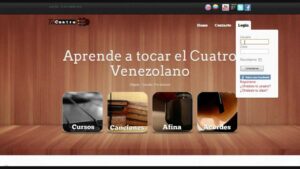
The good news is that the instrument remains fun at every level. Even beginners can sound musical very quickly. Check out our free courses to have a glimpse of how you can learn to play the Venezuelan Cuatro.
Choosing Your First Venezuelan Cuatro
If you’re considering buying your first Cuatro, there are a few things worth paying attention to.
Build Quality Matters
A well-built Cuatro feels alive in your hands. The resonance, tuning stability, and comfort make a huge difference.
Solid Wood vs Laminated
Solid wood instruments generally offer richer resonance and more nuanced tone, while laminated instruments are often more affordable and durable for beginners.
String Setup
Good strings dramatically affect tone and playability.
Many beginners underestimate this.
Fresh, quality strings can transform the experience of learning.
Comfort
Because the Cuatro is such a rhythmic instrument, comfort matters. The neck profile, action height, and body shape all influence how enjoyable it feels to play.
Recording the Venezuelan Cuatro at Home
The rise of home studios and independent music production has opened exciting possibilities for traditional instruments.
The Venezuelan Cuatro records beautifully in small studio environments.
A few simple techniques can produce excellent results:
Use a Small Diaphragm Condenser Microphone
These microphones often capture the rhythmic attack and brightness of the instrument very naturally.
Avoid Pointing Directly at the Sound Hole
Positioning the microphone slightly toward the 12th fret usually creates a more balanced tone.
Let the Rhythm Breathe
The Cuatro’s magic often lives in the strumming dynamics. Heavy compression can flatten its character.
Double Track for Width
Layering two rhythm takes can create a lush folk texture perfect for acoustic productions.
This is one reason producers exploring world music and folk fusion increasingly appreciate the instrument.
The Cuatro in Modern Music
Although rooted deeply in tradition, the Cuatro continues evolving.
Today you can hear it in:
- indie folk recordings
- cinematic soundtracks
- Latin fusion projects
- jazz collaborations
- acoustic pop arrangements
- worship music
- educational ensembles
- experimental world music
This balance between tradition and adaptability is part of what makes the instrument so special.
The Cuatro carries history without feeling trapped in the past.
Learning the Cuatro Online
A generation ago, learning the Cuatro outside Latin America was difficult.
Today, musicians from around the world can access:
- online lessons
- chord libraries
- rhythm tutorials
- tuning tools
- play-along videos
- cultural education
- instrument shops
This accessibility is helping the instrument reach entirely new audiences and importantly, many learners are not approaching the Cuatro as a novelty.
They are genuinely connecting with the culture, rhythms, and musical philosophy behind it. That cultural respect matters.
Why the Venezuelan Cuatro Matters
In a fast-moving digital world, folk instruments remind us that music was always meant to connect people. The Venezuelan Cuatro does this beautifully.
- It is rhythmic without being intimidating.
- It is expressive without being overly technical.
- It is traditional without feeling distant.
Most importantly, it invites participation.
The Cuatro does not ask you to become perfect before enjoying music. It asks you to join.
- To strum.
- To accompany.
- To share.
- To listen.
- To celebrate.
That spirit may be the instrument’s greatest lesson.
Start Your Cuatro Journey
Whether you are a guitarist searching for new rhythmic ideas, a folk musician exploring world traditions, a producer looking for unique acoustic textures, or simply someone curious about Latin American music, the Venezuelan Cuatro offers a remarkably rewarding musical journey. Its sound carries landscapes, celebrations, memories, and stories. And once you hear its rhythm closely, it becomes very difficult to forget.
At TuCuatro, our mission is to help preserve and share the living traditions surrounding instruments like the Venezuelan Cuatro through lessons, songs, tools, and cultural education for musicians everywhere.
Because music traditions survive when they are shared and the Cuatro deserves to be heard far beyond the places where it was born.