
If you want to understand how embedded the Venezuelan cuatro is in the country’s culture, start with a comparison: baseball.
Baseball in Venezuela is not a sport. It’s a frame of reference. When you want to say something is universally loved, inescapably present, woven into the texture of daily life, you say it’s as popular as baseball. More than 460 Venezuelan players have appeared in Major League Baseball since 1939, making Venezuela one of the most represented countries in the sport outside North America. The current generation includes Ronald Acuña Jr. (NL MVP), José Altuve (AL MVP), and Salvador Pérez, players who grew up in the same Venezuelan towns where, generations before them, Luis Aparicio, Dave Concepción, and Miguel Cabrera got their start.
How it works in Venezuelan schools
When a Venezuelan child enters school and has to choose a sport, every slot is available, swimming, volleyball, football, track. But the baseball team? Competitive from day one. The spots fill fast. A child who wants to make the team may have to try out more than once.
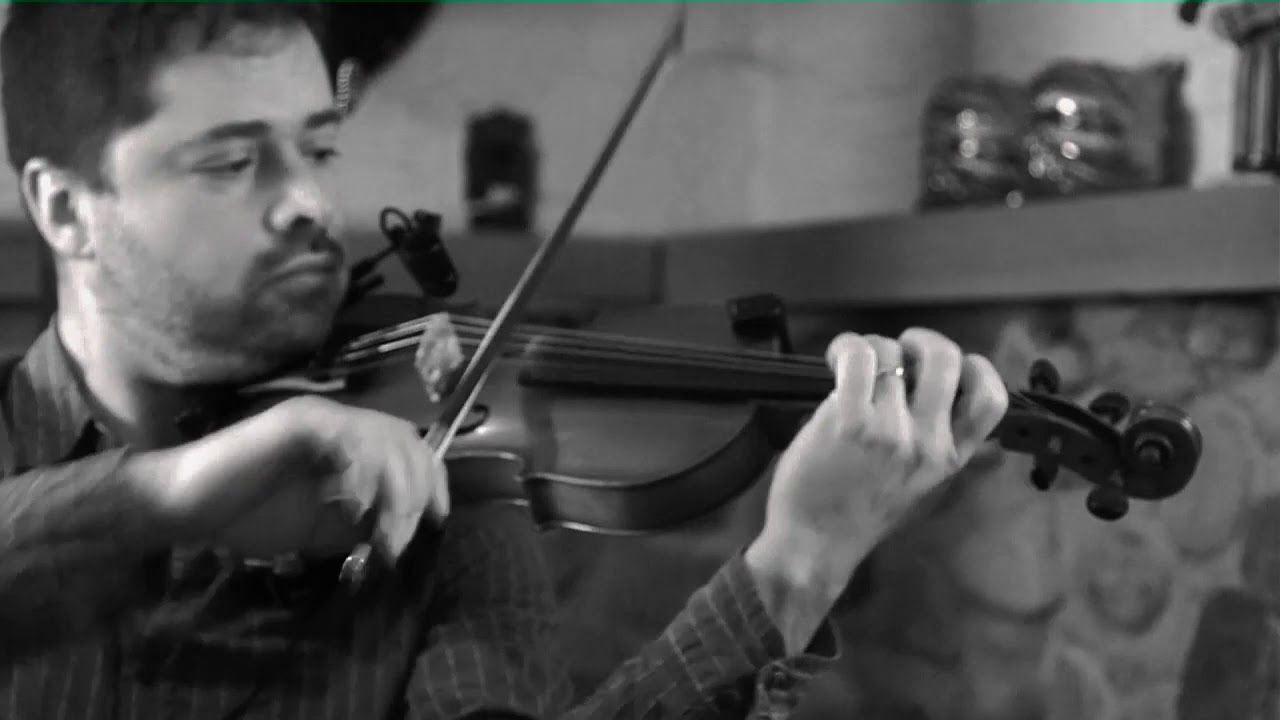
The cuatro works the same way. When music class begins and instruments are assigned, the cuatro is first, before the recorder, before anything else. It’s the instrument the school assumes you’ll learn. By the time most Venezuelan adults have left school, they know at least one or two chord positions. They may not play well. They may not have played in years. But they know where to put their fingers.
That’s not accidental. It’s infrastructure.
Two calendars, one country
Both baseball and the cuatro run on their own seasonal calendar, and both align closely with Venezuelan life.
The Liga Venezolana de Béisbol Profesional starts in October and runs through February. From that first game, the country organizes itself around standings and the perennial rivalry between Navegantes del Magallanes and Leones del Caracas. Every restaurant with a television fills up. Friendly arguments last for months. Many of those young players in the Liga will eventually find their way to the majors, watching a local game in Venezuela sometimes means watching the next Andrés Galarraga before anyone else knows his name.
The cuatro has its own October. As soon as the Christmas season begins, in Venezuela, this means late October, children in schools across the country start rehearsing. Every December, practically every school holds a Christmas music competition. The song is almost always a gaita, the traditional genre from Zulia state. The instrument is almost always the cuatro. Children who haven’t touched one all year start practicing in October, determined to get a song ready in time.
The one that shows up at every party
Here is the truest parallel: both the baseball glove and the cuatro live somewhere in the Venezuelan household. They’re not on display. They’re not especially cared for. But they’re there.
Pull out a cuatro at a family reunion in Venezuela and something shifts. Someone who hasn’t played in a decade picks it up and finds two chords. Someone else starts singing. The instrument doesn’t need to be played well to do its job. Its job is to be the thing that starts the music, in joropo, in aguinaldos, in gaita, in the living room at midnight with no particular occasion and no particular audience.
This is what the cuatro is in Venezuelan culture, not a virtuoso’s instrument, not a relic, not a museum piece. It’s the instrument that belongs to everyone, that every child encounters first, that shows up at Christmas and birthdays and Sunday dinners without being invited.
Just like baseball, it was never really a choice. It was always just there.
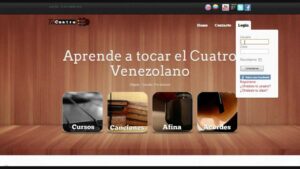
Explore the cuatro and start learning at your own pace with TuCuatro courses, or browse the full song archive to hear what this instrument carries.