
Parang is one of Trinidad and Tobago’s most beloved musical traditions: a Christmas-season sound built around singing, visiting, celebration, and the bright rhythmic drive of the cuatro. For many listeners, parang feels instantly festive. For cuatro players, it is also a powerful reminder that the instrument’s story does not stop at Venezuela. The cuatro has travelled through the Caribbean, entered local traditions, and become part of the sound of community life in Trinidad and Tobago.
If you are learning the Venezuelan cuatro, parang gives you a clear reason to explore Caribbean rhythm, accompany singers, and move the instrument into a festive social setting. You do not need to know every historical variation before you start. A good first goal is simpler: understand what parang is, hear the cuatro inside it, and learn one rhythm or song well.
What is parang music?
Parang is a festive musical tradition in Trinidad and Tobago, especially associated with the Christmas season. Traditional parang groups, often called parranderos, are known for singing and playing from house to house, bringing music into community spaces rather than keeping it on a stage. The official parang season runs from October through January 6, the Day of the Kings, with competitions organized through the National Parang Association of Trinidad and Tobago (NPATT).
That seasonal frame matters, but it should not reduce parang to background holiday music. Parang is a living cultural tradition with its own repertoire, instruments, performance habits, and local histories. It connects religious, social, family, and community settings. It also shows how music moves across languages and borders in the Caribbean.
Why the cuatro is central to the parang sound
The cuatro gives parang much of its pulse. In a parang ensemble, the instrument provides the rhythmic and harmonic foundation: the strummed energy that holds singers, maracas, bass, and melody instruments in motion. Its small body and strong attack make it practical for house-to-house playing, while its rhythmic vocabulary makes it ideal for festive accompaniment.
For TuCuatro, this is one of the most important reasons to document parang. The cuatro is not only an instrument of joropo, gaita, or Venezuelan popular music. It is also part of a broader Caribbean story. In Trinidad and Tobago, the cuatro became a familiar voice in parang, sitting beside maracas, guitar, box bass, voices, and other instruments. That connection is what makes parang one of the clearest examples of the instrument’s life beyond Venezuela.
A beginner may first notice the bright sound of the strum. A more experienced listener starts to hear the control behind it: where the hand accents, where a muted stroke adds shape, and how the chord changes support the voice without getting in the way. That is why parang is useful for students who already know basic chords and want to make their accompaniment feel alive.
Common instruments in a parang ensemble
A parang group can vary from place to place and from traditional to modern settings, but these instruments are consistently part of the sound:
- Cuatro: the small four-string instrument that gives the group its rhythmic and harmonic drive.
- Maracas or chac-chac: handheld shakers that add a bright, constant rhythmic layer.
- Box bass or bass instrument: the low-end voice that supports the groove and grounds the ensemble.
- Guitar: another chordal instrument that reinforces harmony and rhythm.
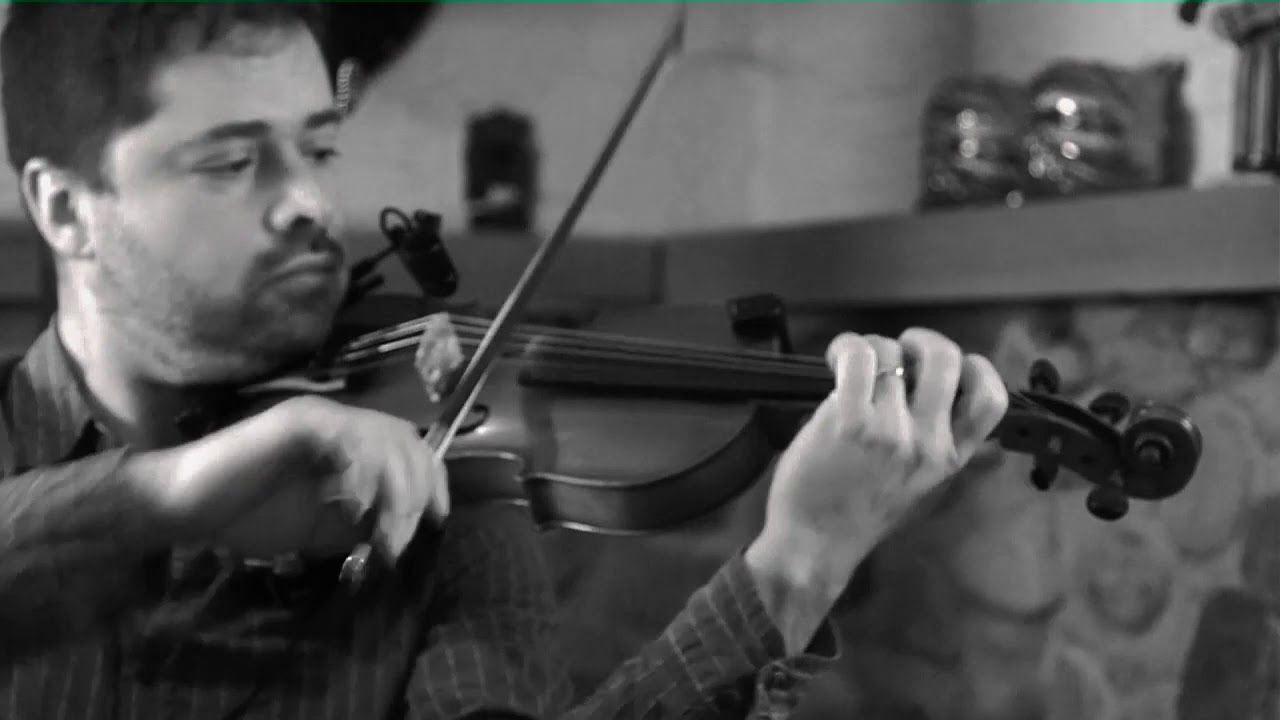
- Violin, mandolin, bandolin, or similar melody instruments: used by some groups to carry melodic lines and ornaments.
- Voices: essential to the tradition, because parang is as much a sung, communal repertoire as it is an instrumental style.
Modern performances may include steelpan, electric bass, keyboards, or drum kit, especially in staged shows and hybrid styles. Those additions can be musically exciting, but the educational doorway for cuatro students remains the relationship between voice, rhythm, maracas, bass, and cuatro.
A useful way to start listening is to isolate three layers: the steady strum of the cuatro, the shaker pattern of the maracas, and the way the voices carry the celebration. Once those layers are clear, chord progressions and song forms become much easier to hear and learn.
Parang rhythm, song types, and the Christmas season
Parang is not one single strum pattern. The tradition includes several rhythmic feels, song types, and performance situations. TuCuatro’s own Learn to Play Parang Music on the Cuatro course covers rhythm topics such as aguinaldo, merengue, galerón, estribillo, soca parang, and joropo-related material, along with common chord progressions and repertoire. That course is the fastest path from curiosity to actual playing.
A good way to think about the parang performance flow is to listen for the sequence: an opening greeting, the main songs, and the farewell. When you understand parang as a visit and not just a playlist, the chord progressions and song forms start to make cultural sense, not just musical sense.
If you are building rhythm from scratch, start by feeling the pulse before adding speed. Keep the right hand relaxed and even. Add accents only after the basic pattern feels stable. Then move into real songs as quickly as possible, because parang rhythm is best learned with something to accompany.
What is soca parang?
Soca parang is a modern hybrid that blends the festive, Spanish-language energy of traditional parang with the upbeat pulse of soca, the popular music of Trinidad and Tobago. It became one of the most commercially visible expressions of the parang tradition and is a regular part of the Christmas season calendar in Trinidad and Tobago today.
For cuatro students, soca parang is a useful listening reference because it keeps the cuatro in an energetic, rhythmic role while placing it next to more contemporary production. The underlying chord structures and strumming logic often connect directly to what you practice in the core parang course.
Songs to start with
The best parang practice happens with real songs. TuCuatro has a growing Parang Songs Lyrics and Chords collection that gives you chord-ready material from the first session. A few songs that work well as starting points:
- Alegria Alegria — a festive, widely recognized parang standard that works well for practicing chord changes under a real melody.
- Tucusito TuCusito — a shorter, rhythmically clear song that helps build confidence before moving to longer pieces.
- Bottle and Spoon — a soca parang crossover track that is useful for practicing a more driving rhythmic feel.
For a broader seasonal collection, the Best Parang Music and Songs for Christmas page is a strong next stop. Work through one song at a time, slow the strum down until it feels clean, then build speed only after the chord changes feel automatic.
Where to start if you want to learn parang on the cuatro
If you already play basic cuatro chords, parang is a strong next step because it teaches rhythm, accompaniment, listening, and song memory at the same time. Here is a practical first-week path:
- Listen first. Start with two or three parang recordings and focus on the cuatro and maracas before trying to play anything.
- Review basic chords and clean strumming. A clear pulse matters more than speed.
- Learn one rhythm at a time. Begin with a simple aguinaldo-style feel from the TuCuatro course before moving into more advanced variations.
- Practice common progressions. The parang course includes I-IV-V and related progressions that prepare you for most songs in the repertoire.
- Move from exercises into songs. Pick one track from the parang song collection and commit to it before jumping to the next.
- Record a short take. Listen back for whether the rhythm is steady, not just whether the chords are right.
This plan turns parang into a learning path rather than a seasonal novelty. It also creates a natural bridge into TuCuatro courses, song pages, and deeper rhythm study.
The Caribbean cuatro connection
The cuatro is often introduced as the national instrument of Venezuela, and that is an important part of its identity. But the instrument’s cultural life is larger than any one border. In Trinidad and Tobago, the cuatro became a familiar voice in parang, where it sits alongside maracas, guitar, box bass, voices, and other instruments in a distinctly Caribbean setting.
That does not require flattening different traditions into one story. Joropo, gaita, and parang each have their own histories, communities, sounds, and repertoires. The connection is the instrument’s adaptability: the cuatro can carry rhythm, harmony, and cultural memory while still serving the needs of each local tradition. A student who learns parang is not only learning a Christmas strum. They are learning how rhythm supports singing, how instruments move between countries, and how a small four-string instrument can hold a large cultural memory.
For that reason, parang belongs in TuCuatro’s knowledge system as a durable content cluster: a rhythm page, a learning course, a song collection, an organization reference, and this evergreen article for readers who are discovering the tradition for the first time.
Ready to learn parang on the cuatro?
Start with TuCuatro’s Learn to Play Parang Music on the Cuatro course. You will learn the rhythm, practice the progressions, and move into songs that keep the parang sound alive. Then head to the parang song collection and pick one track to work on this week.
The cuatro belongs in parang. It always has.